

Scoliosis is a spinal condition characterized by an abnormal sideways curvature of the spine. While a healthy spine appears straight, scoliosis causes the spine to form a C or S-shaped curve. Individuals searching for scoliosis treatment often want to understand the specific type of scoliosis they may have and how it affects spinal health.
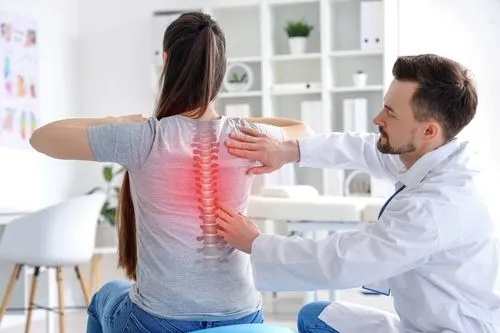
Understanding the Basics of Scoliosis
Scoliosis occurs when the vertebrae shift out of normal alignment and begin to curve laterally. The degree of curvature varies from mild to severe. Some individuals experience minimal symptoms, while others develop muscle fatigue, uneven posture, or chronic discomfort.
The spine works as a structural support system for the body. When abnormal curvature develops, surrounding muscles and joints must compensate for the imbalance. Over time, this compensation may contribute to pain or stiffness.
Idiopathic Scoliosis
Idiopathic scoliosis is the most common form of scoliosis. The exact cause is not always known, and the condition often develops during periods of rapid growth during adolescence.
This type is typically categorized by age of onset. Infantile scoliosis appears before age three, juvenile scoliosis develops between ages four and ten, and adolescent idiopathic scoliosis occurs during the teenage years. Many cases remain mild, yet some curves progress over time.
Congenital Scoliosis
Congenital scoliosis develops before birth due to abnormalities in spinal formation. During fetal development, some vertebrae may form incompletely or fuse together. These structural differences can lead to curvature as the child grows. The severity of congenital scoliosis varies widely. Some children experience mild curves, while others may require more advanced medical monitoring.
Neuromuscular Scoliosis
Neuromuscular scoliosis occurs when underlying neurological or muscular conditions affect spinal stability. Conditions such as muscular dystrophy, spina bifita, or cerebral palsy may weaken the muscles that support the spine. When muscles cannot properly support spinal alignment, the vertebrae may gradually shift. Curvature may become more pronounced over time, and mobility challenges may develop.
Degenerative Scoliosis
Degenerative scoliosis typically develops in adults as the spine ages. Spinal discs may lose hydration, and joints may experience wear over time. These structural changes can cause the spine to gradually curve. Individuals with degenerative scoliosis may experience lower back pain, stiffness, and reduced mobility. Daily activities such as standing or walking for long periods may become uncomfortable.
Scoliosis Treatment in Orangeburg, SC
Understanding the type of scoliosis helps guide effective treatment. Marsch Chiropractic Center provides scoliosis treatment for individuals seeking care in Orangeburg, SC. To learn more or schedule an appointment, call our office at (803) 536-1635. Patients searching for a chiropractor can receive a detailed spinal assessment and personalized treatment plan at our clinic to support spinal alignment, reduce discomfort, and improve mobility for those living with scoliosis.
